

Commercial Flooring Denver faces challenges like cracking from temperature changes, foot traffic, and pressure. Regular inspection and proactive maintenance are crucial. Popular flooring types, like laminate and vinyl, require careful handling to prevent cracks. Addressing damage causes with appropriate repair methods ensures longevity. Key strategies include choosing durable materials, tailored cleaning schedules, daily visual inspections, and periodic expert assessments for optimal Commercial Flooring Denver care.
In the dynamic landscape of Commercial Flooring Denver, maintaining the integrity of floor tiles is paramount for businesses aiming to create inviting and safe environments. Cracked tiles not only mar the aesthetic appeal but also pose potential safety hazards. Addressing this common issue effectively is crucial for property managers and owners alike. This article delves into comprehensive strategies tailored specifically for fixing cracked commercial floor tiles in Denver, offering practical insights that empower professionals to restore their spaces to optimal condition, ensuring both functionality and visual appeal.
- Understanding Commercial Flooring Denver's Cracking Issues
- Identify Common Causes of Tile Damage in Denver Businesses
- Preparation: Safety Measures Before Repairing Commercial Tiles
- Choosing the Right Materials for Commercial Floor Tile Repairs
- Step-by-Step Guide to Fixing Cracked Commercial Flooring
- Preventive Maintenance Tips for Longevity of Denver's Commercial Floors
Understanding Commercial Flooring Denver's Cracking Issues

Commercial Flooring Denver, particularly in high-traffic areas, often faces challenges related to cracking. This issue is not unique to the city but prevalent across various industrial and commercial spaces due to factors like varying temperature changes, heavy foot traffic, and consistent pressure on the floor surfaces. Understanding these cracking issues is crucial for effective maintenance and timely repairs, ensuring the longevity of Denver’s commercial floors.
One common culprit behind flooring damage in Denver is the expansion and contraction of materials, especially during extreme weather conditions. For instance, laminate flooring installation in Denver often includes a range of styles, some more susceptible to thermal movement than others. When exposed to rapid temperature shifts, these floors may develop cracks at joints or along the edges. Similarly, vinyl sheet flooring Denver, popular for its durability and versatility, can also fracture under consistent stress points or sudden movements. Building owners and managers in Denver’s dynamic climate must be vigilant in monitoring such issues.
Regular inspection is key to early detection of cracks. Building maintenance teams should employ systematic checks, focusing on areas with high foot traffic, temperature fluctuations, or where materials meet. Once identified, small cracks can often be repaired with simple methods like filling and sealing. However, larger cracks might necessitate more substantial interventions, such as replacing damaged sections or even re-instating the entire flooring type (e.g., Laminate Flooring Installation Denver or Vinyl Sheet Flooring Denver) to maintain a cohesive and safe floor surface. Proactive management of these issues ensures Commercial Flooring Denver remains in top condition, preventing more costly repairs down the line.
Identify Common Causes of Tile Damage in Denver Businesses
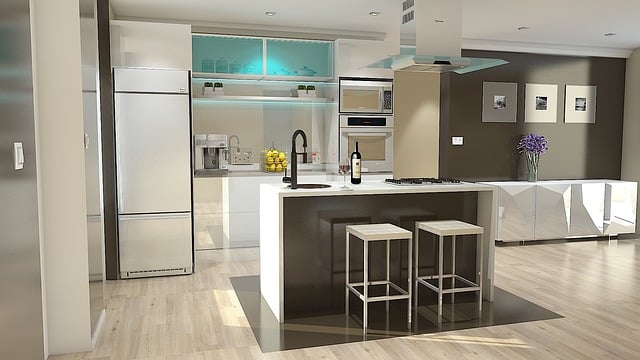
Cracked commercial floor tiles are a common problem for businesses in Denver’s dynamic landscape. Understanding the root causes of these damages is essential for proactive maintenance and informed decision-making regarding Commercial Flooring Denver. Several factors contribute to tile deterioration, each requiring tailored solutions. For instance, heavy foot traffic, especially in high-volume areas like retail stores or office lobbies, can lead to accelerated wear and tear, particularly at joint lines and corners. This is where area rugs Denver can play a strategic role; strategically placed rugs not only reduce traffic on vulnerable sections but also enhance overall aesthetics.
Environmental factors also take a toll. Extreme temperature fluctuations, as experienced in Denver’s seasonal climate, can cause thermal expansion and contraction, leading to tile cracks. Additionally, poor installation practices, such as using subpar adhesives or improper leveling, increase the likelihood of damage. To mitigate these issues, businesses should opt for high-performance floors designed to withstand harsh conditions, ensuring a solid foundation that supports the tile’s integrity. Custom commercial flooring solutions offer both beauty and durability, addressing specific challenges faced by Denver businesses.
Another common cause is liquid damage from spills or leaks. Left unattended, moisture can permeate through joints, leading to significant cracks over time. Prompt cleaning and repair are crucial to prevent such issues. Regular maintenance checks, including inspecting for loose tiles and sealing grout, can significantly extend the lifespan of commercial flooring Denver. By addressing these causes proactively, business owners can avoid costly repairs and maintain a safe, aesthetically pleasing environment for their customers and employees.
Preparation: Safety Measures Before Repairing Commercial Tiles

Before tackling the repair of cracked commercial floor tiles in Denver, proper preparation and safety measures are paramount. Commercial flooring Denver environments often pose unique challenges due to high foot traffic, exposure to various weather conditions, and demanding functional requirements. Therefore, ensuring a safe work environment is not just recommended but essential when repairing or restoring these floors.
The first step involves assessing the extent of damage and identifying the cause. Common issues include cracks caused by settling, heave, or structural shifts, often exacerbated by changes in temperature and moisture levels. For outdoor areas, consider the impact of thawing snow and freezing temperatures on tile flooring Denver. Once the source is understood, select appropriate repair methods. In some cases, simply replacing individual tiles may suffice; however, for more extensive damage, an epoxy floor coating Denver application might be necessary to strengthen the existing structure.
Safety precautions should never be overlooked. Wear protective gear such as gloves and safety glasses to prevent injuries from sharp edges or debris. Ensure adequate ventilation, especially when using chemicals or performing repairs in enclosed spaces. Additionally, for outdoor carpet Denver installations or tile replacements, assess the need for temporary flooring to maintain accessibility during the repair process. By prioritizing safety and employing the right tools and techniques, you can effectively address cracked tiles while minimizing risks associated with commercial flooring Denver environments.
Choosing the Right Materials for Commercial Floor Tile Repairs
When fixing cracked commercial floor tiles in Denver, choosing the right materials is crucial for long-lasting results. Commercial flooring Denver often faces intense wear and tear from high foot traffic, heavy equipment, and weather conditions, making it essential to select durable and resilient options. Luxury vinyl plank Denver (LVP) has emerged as a popular choice due to its water resistance, ability to mimic various materials like wood or stone, and ease of maintenance. For instance, LVP can withstand spills and stains without damage, which is vital in commercial settings where quick cleanup is essential.
Carpet installation Denver remains another viable solution for high-traffic areas that require comfort and noise reduction. High-performance carpets designed for commercial use offer advanced fiber construction and backing systems that enhance durability. These carpets are built to handle frequent traffic while maintaining their appearance, making them an excellent choice for offices, hotels, or retail spaces. The right carpet can significantly improve the overall aesthetics and comfort of a space while providing essential insulation against cold floors during winter months.
Beyond aesthetic considerations, selecting suitable materials for commercial floor tile repairs in Denver should factor in cost-effectiveness, warranty coverage, and ease of installation. High traffic flooring solutions often come with longer warranties, reflecting their superior quality and durability. Contractors and business owners can benefit from understanding the unique needs of their facilities and consulting with experts to make informed decisions. By combining top-quality materials with skilled craftsmanship, Denver businesses can ensure their floors not only look their best but also withstand the demands of their environments for years to come.
Step-by-Step Guide to Fixing Cracked Commercial Flooring
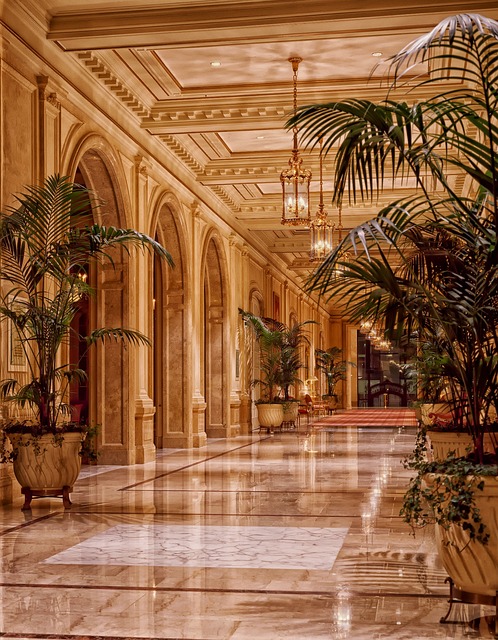
Fixing cracked commercial flooring in Denver is a common challenge faced by property managers and business owners. This step-by-step guide provides practical insights for addressing this issue effectively. First, assess the extent of damage; minor cracks can often be repaired with epoxy injections or tile replacements, while more severe cases may require professional hardwood flooring restoration. In Home Flooring solutions like Denver’s expert contractors emphasize the importance of quick action to prevent further damage and maintain a professional appearance.
Start by removing loose debris from around the cracked tiles using a vacuum or broom. Next, clean the surface with a mild detergent and water solution to ensure proper adhesion for repair materials. For small cracks, apply a high-quality epoxy filler using a putty knife, filling the gap completely. Allow the epoxy to cure according to manufacturer instructions before sanding gently to achieve a smooth finish. In commercial settings with high traffic flooring solutions, consider using a fast-drying or polyurethane-based epoxy for quicker turnaround times and increased durability.
If a tile is beyond repair, replace it with an identical match from the same batch. Use a suitable adhesive designed for commercial flooring Denver environments to ensure longevity. After replacing tiles, fill any gaps with grout and seal with a floor sealer for added protection against moisture and wear. Regular maintenance, including cleaning and inspection, can prevent future cracks and keep your commercial space looking its best. Remember, proper restoration and timely repairs are key to preserving the integrity and aesthetic appeal of high traffic flooring solutions in Denver’s vibrant business districts.
Preventive Maintenance Tips for Longevity of Denver's Commercial Floors

Maintaining commercial flooring in Denver is a complex task requiring a strategic approach to ensure longevity and minimize repairs. Preventive maintenance is key to preserving the integrity of these high-traffic areas. Regular attention can extend the life of your Denver commercial floors, saving businesses from costly replacement or extensive floor repairs in Denver. This section offers insights into best practices for upkeep and care, drawing on expertise from local floor covering professionals who have seen it all.
One effective strategy is to establish a regular cleaning schedule tailored to each flooring type. For example, carpet tiles in Denver commercial spaces require deep cleaning to remove embedded dirt and stains. Carpet experts recommend vacuuming at least twice weekly with a commercial-grade machine capable of reaching gaps between tiles. Additionally, hot water extraction every three to six months helps eliminate accumulated grime and allergens, ensuring a healthier environment for occupants. This proactive approach can significantly slow down the degradation process and reduce the need for Denver commercial floor repairs.
Beyond cleaning, regular inspections are vital. Walking the floors daily allows managers to identify potential issues early on. Look for signs of water damage, loose tiles, or uneven surfaces. Promptly addressing these problems prevents minor annoyances from escalating into major repair projects. For instance, a single cracked tile might be easily repaired, but ignoring it could lead to a wider crack that compromises the entire floor structure and requires extensive Denver commercial floor repairs. Engaging Denver floor covering experts for periodic assessments can provide valuable insights into maintenance needs and ensure your floors receive the specialized care they require.
The comprehensive guide on fixing cracked commercial floor tiles in Denver offers a valuable toolkit for businesses aiming to maintain their flooring investments. By understanding the common causes of tile damage, such as shifting substrates and freeze-thaw cycles unique to Denver’s climate, property managers can proactively address issues. Safety precautions and material selection are crucial steps, ensuring long-lasting repairs that withstand the demanding commercial environment. The step-by-step repair process, combined with preventive maintenance tips, empowers business owners to extend the lifespan of their Commercial Flooring Denver installations, ultimately reducing costs and enhancing the overall aesthetic of their premises.
Related Resources
Here are 7 authoritative resources for an article about fixing cracked commercial floor tiles in Denver:
- Denver Department of Public Works (Government Portal): [Offers city-specific guidance and regulations for maintenance and repair.] – https://www.denvergov.org/departments/public-works
- Tile Council of North America (Industry Association): [Provides industry insights, best practices, and standards for tile installation and repair.] – https://tilecouncil.org
- University of Colorado Boulder: Civil and Environmental Engineering Department (Academic Study): [Offers academic research and advice on structural repairs, including floor tiles.] – https://www.colorado.edu/engineering/departments/civil-environmental-engineering
- HireAHelper (Online Service Provider): [An aggregated resource for finding local tile repair professionals with customer reviews and pricing information.] – https://www.hireahelper.com/services/tile-contractors
- The Home Depot (Retailer’s Guide): [Provides DIY tips, product guides, and expert advice for repairing and replacing floor tiles.] – https://www.homedepot.com/c/floor-tile-repair
- Angie’s List (Community Review Site): [Offers local reviews of tile repair services in the Denver area from verified members.] – https://www.angieslist.com/
- National Tile Contractors Association (Industry Organization): [A resource for finding and connecting with professional tile contractors across the U.S., including Denver.] – https://ntca.net
About the Author
Meet Robert Johnson, a seasoned Floor Restoration Specialist with over 15 years of experience revitalizing commercial spaces in Denver. Certified by the National Tile Contractors Association (NTCA), Robert is renowned for his expertise in repairing and restoring cracked floor tiles. He is a regular contributor to industry publications, sharing insights on innovative restoration techniques. Active on LinkedIn, Johnson’s work exemplifies his commitment to precision, quality, and client satisfaction.